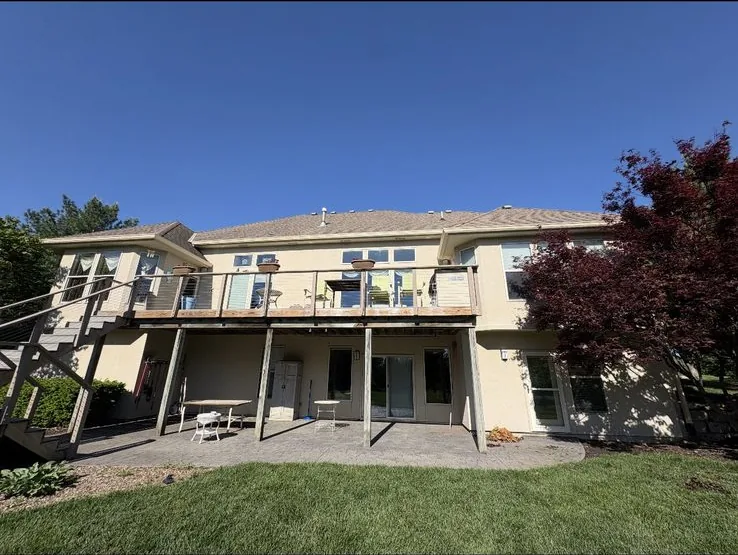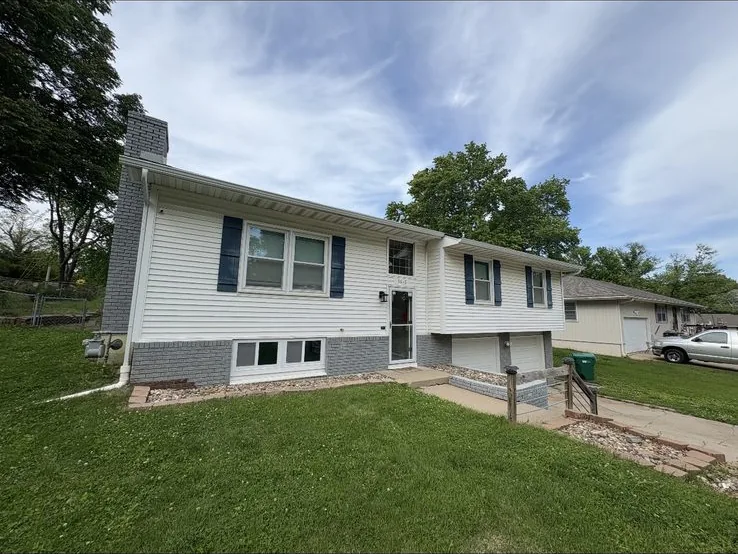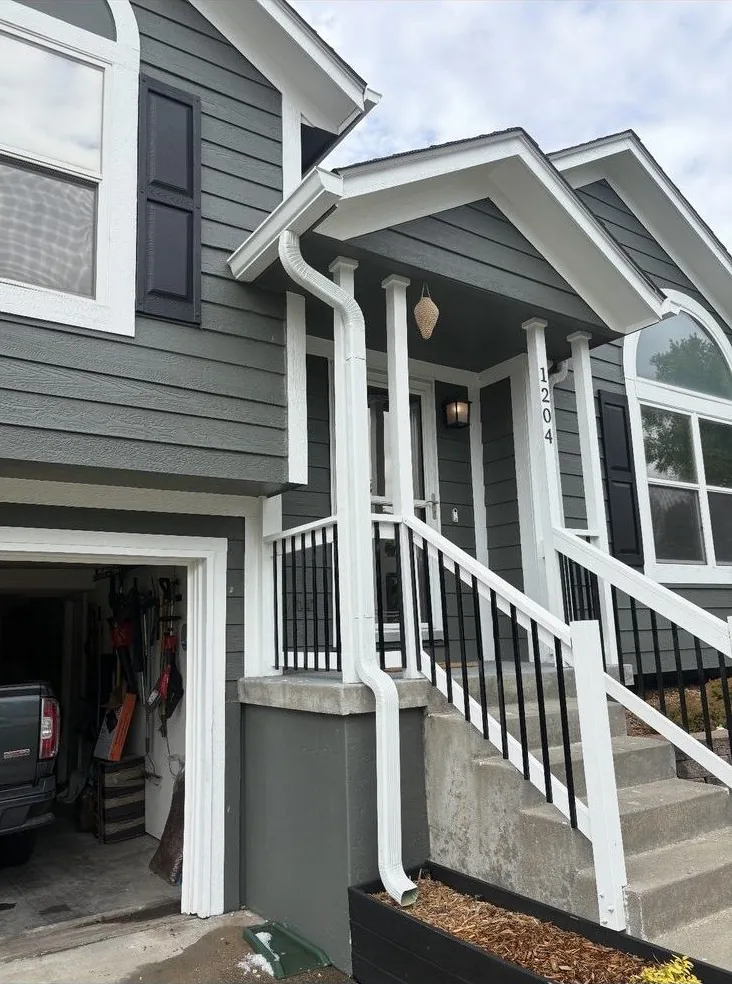
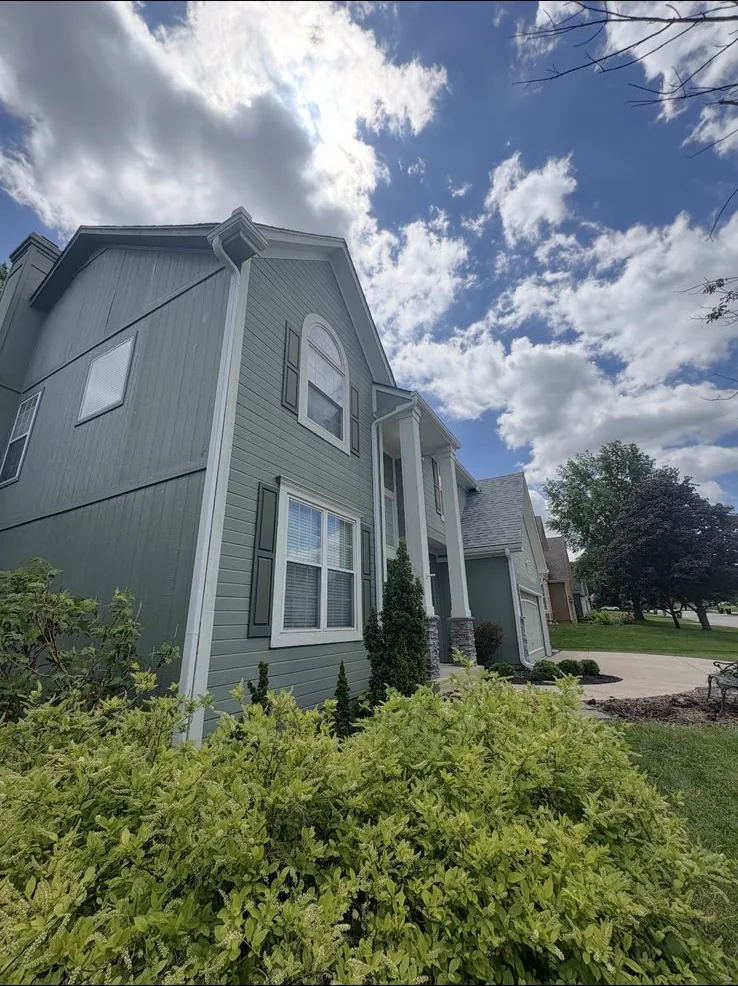
Living in Kansas City means accepting some hard truths about your house. One of them: your gutters will be tested by extreme weather more often than almost anywhere in North America. We get more hail than Tornado Alley average. We get straight-line winds approaching tornado force every spring. And our freeze-thaw cycles average 80+ events per winter. Here's what that does to gutters — and how to make yours survive.
KC Hail: The #1 Gutter Killer
Kansas City sits at the intersection of Tornado Alley and the Hail Belt. We average 4-6 hail events per year of penny-size or larger; about every 3 years we get a golf-ball or larger event. What hail does to gutters depends on size:
Pea to penny size (3/4"): Cosmetic dents on aluminum, minimal structural damage.
Quarter to golf ball (1.5"+): Significant denting on aluminum, possible perforations on cheap .025" material, hangers can tear loose from fascia.
Baseball or larger: Total replacement situation. Most insurance policies cover this.
The best defense is heavier-gauge aluminum: .032" deflects most penny-size hail; oversized 6" or 7" K-style absorbs golf-ball-sized hail far better than 5".
KC Straight-Line Winds: The Quiet Destroyer
Most homeowners assume tornadoes do the worst gutter damage. They don't — straight-line winds do, because they happen far more often and at more variable angles. KC averages 30+ days per year with sustained wind over 30 mph; 4-6 days with gusts over 60 mph. Wind doesn't blow gutters off (much) — it does something worse. It works hangers loose over time. The cumulative effect of 5,000+ wind gusts per year over 35 years pulls every hanger 1/16" looser. By year 15, the gutter is sagging and full of pull-out hangers.
Premier installs hangers every 24" (not the industry default of 36") with #10 stainless screws into the sub-fascia. That's our biggest single durability advantage in KC's wind environment.
KC Freeze-Thaw: 80+ Cycles a Winter
Our winter is brutal on gutters because it isn't consistently cold. Between November and March, we average 80+ freeze-thaw cycles where temperatures cross 32°F. Each cycle expands and contracts water inside the gutter, stressing seams, hangers, and joints. Sectional gutters with 10-foot joints fail at the joints. Seamless gutters fail at the corners (miters) if not properly installed.
Our heavy-bead miter construction and full-perimeter seal eliminates the typical freeze-thaw failure point.
KC Spring Rain: 3-Inch-Per-Hour Burst Events
Spring storms in KC frequently dump 1-3 inches of rain in 30 minutes. Standard 5" K-style gutters with 2x3" downspouts handle about 1.5" per hour. When you exceed that, water overshoots the gutter and falls right against your foundation. For homes over 2,500 sq ft of roof, this is why we recommend 6" gutters with 3x4" oversized downspouts — they handle ~3.5" per hour, comfortably above any KC storm volume.
After-Storm Action Plan (Save This)
If a major hail or wind event hits your area:
Within 24 hours: Walk the perimeter. Look for visible dents, sagging sections, debris in gutters. Photograph everything for insurance.
Within 48 hours: Call Premier Gutters KC for a free inspection. We document damage in writing for your insurance claim, even if we're not the contractor doing the work.
Within 7 days: File the insurance claim. Most policies have a 1-year window but acting fast prevents your adjuster from claiming pre-existing damage.
Don't sign a contract with a door-knocker. Storm chasers descend on KC within hours of major hail. Verify any contractor's local business address, insurance, and Google reviews BEFORE signing. We're based here year-round.
Ready to talk to a real KC gutter specialist?
Free, no-pressure estimate. Most quotes returned within 48 hours.
Frequently Asked Questions
How do I know if storm damage is bad enough for an insurance claim?
Visible dents larger than a quarter, any perforations, hangers visibly torn loose, or sections pulled away from the fascia — all qualify. Cosmetic-only dents may not be worth your deductible. Our free inspections include an honest "file or don't file" recommendation.
Will my insurance go up if I file a gutter claim?
Storm-damage claims are "act of God" and don't typically affect your individual rates — but they may affect your area's group rate over multiple events. One claim won't move the needle. Three claims in five years might.
Do you handle insurance claims for me?
We don't act as a public adjuster (legally we can't), but we document damage thoroughly, meet with your adjuster on-site, and ensure the scope of work matches the actual damage. This helps the inspection go smoothly and reduces confusion about what was damaged.
What if my gutters are old and would have failed anyway?
If the system was visibly failing before the storm, the insurance company may deny or partially deny. The best protection is annual documented inspections — proves you maintained the system, which strengthens any future claim. We provide free inspections.
How long does storm-damage gutter replacement take?
After insurance approval, materials in 3-5 days, installation in 1-2 days. We coordinate with our supplier to keep storm-season material available year-round.