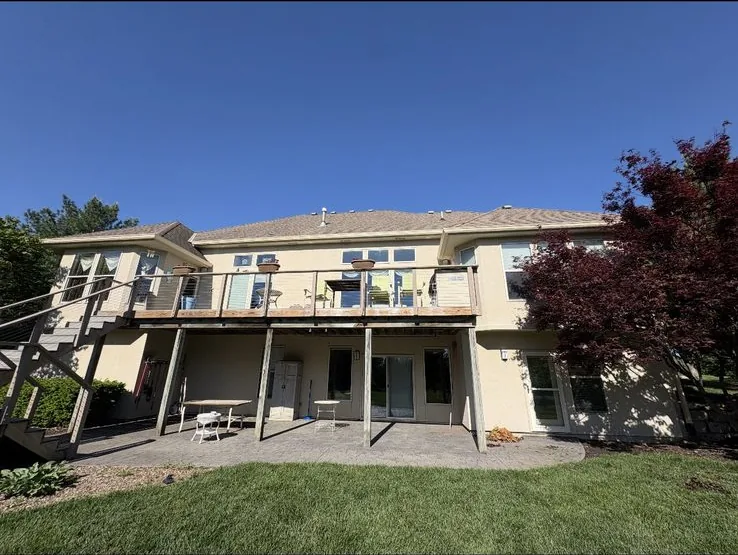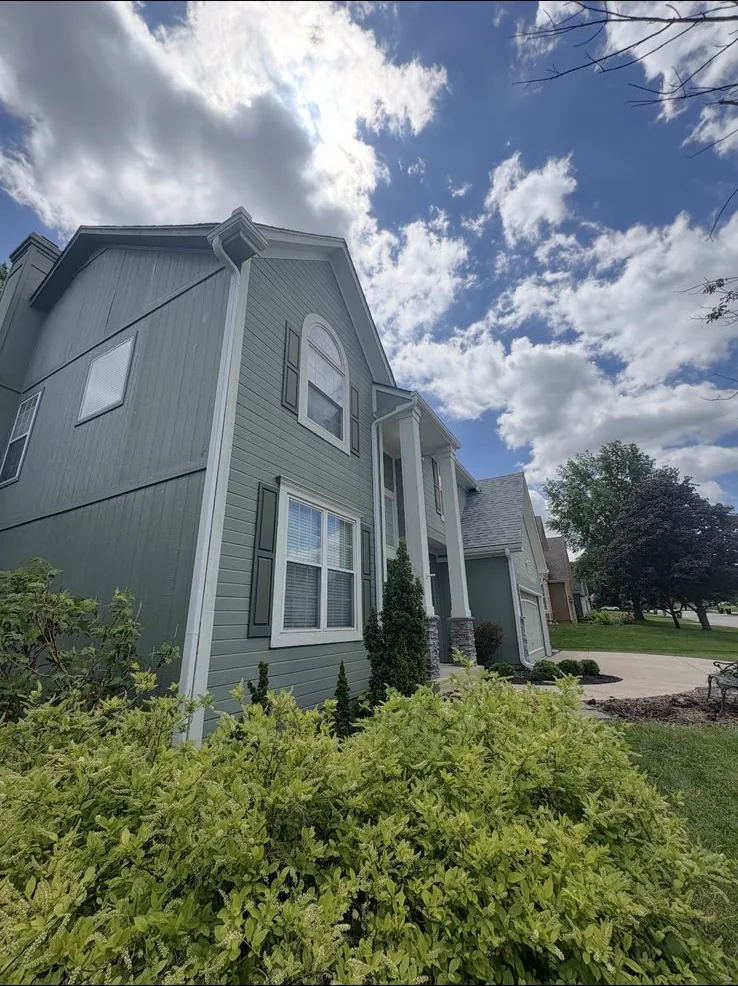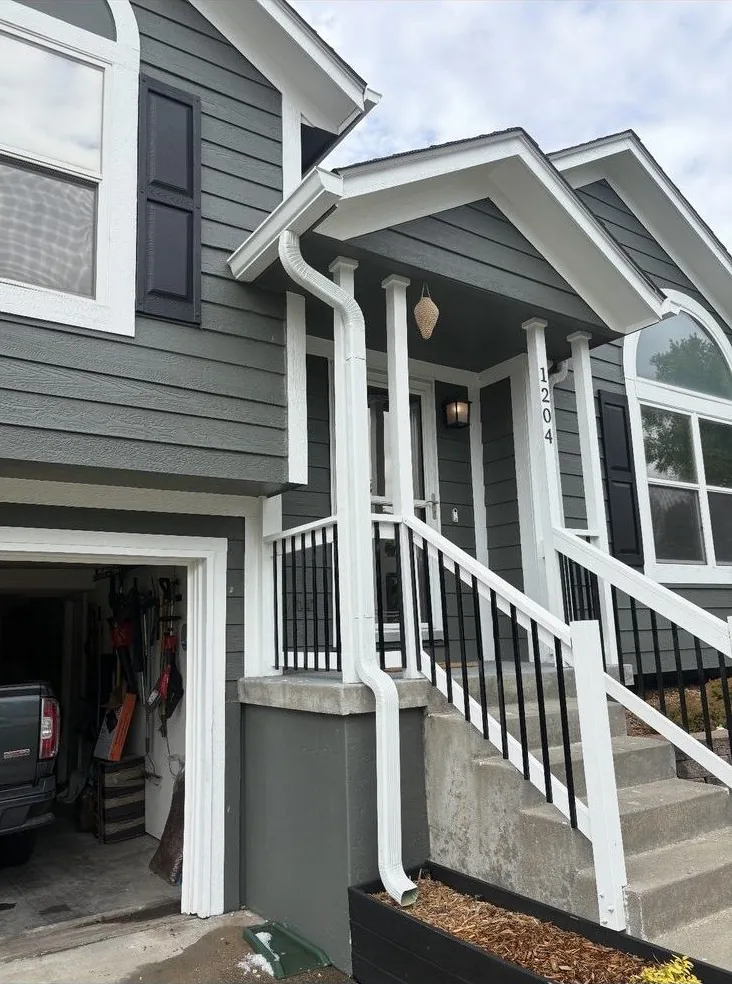
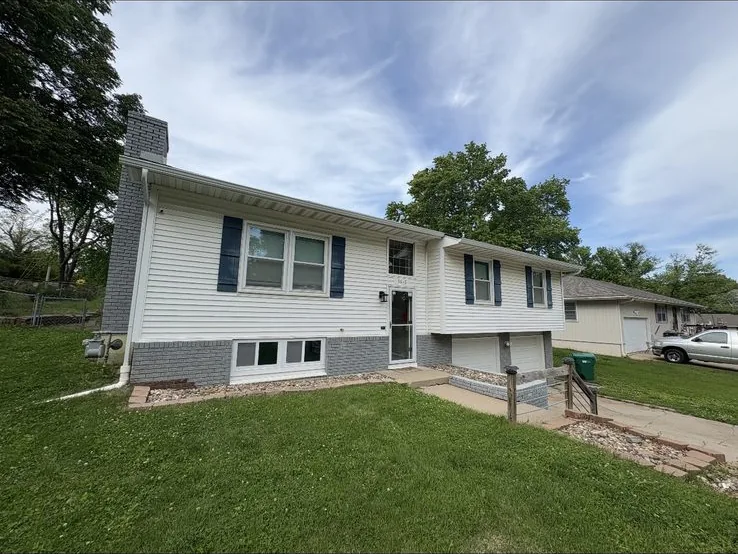
Every January and February, we get calls from frantic Brookside, Hyde Park, and Westport homeowners with water pouring down interior walls. The cause is almost always the same: ice dams. They're entirely preventable, but most homeowners don't understand them until they're standing in a wet living room. Here's what every Kansas City homeowner needs to know.
What an Ice Dam Actually Is (in plain English)
An ice dam is a ridge of ice that forms at the edge of your roof — usually right above the gutter — and prevents melting snow from draining off. The water backs up behind the dam, pools, and eventually finds the path of least resistance: under your shingles, into your attic, down your walls. The damage doesn't show up where the ice is. It shows up two weeks later, on your ceiling, six feet inside the house.
Why It Happens (The Physics)
Three things have to happen together: snow on the roof, warmth from inside the house leaking up into the attic, and outside temperatures below freezing. The heat from your home melts snow from the underside up. That meltwater runs down the roof — until it reaches the part of the roof that's NOT warmed from inside (the eave overhang). There it refreezes. Repeat that cycle for a week and you've got a 6-inch ridge of solid ice.
Why Historic KC Neighborhoods Are Hit Hardest
If you live in Brookside, Hyde Park, Westport, Old Mission Hills, or any pre-1960 neighborhood, you're in the highest-risk category. Here's why:
Older insulation: Pre-1980 homes typically have 4-6" of attic insulation. Modern code is 12-15". The thinner the insulation, the more heat reaches your roof deck.
Steeper roofs: Tudor and Craftsman roofs (the kind dominant in Brookside) often have 8:12 or steeper pitches. Steeper roofs trap snow longer and create deeper ice dams at the eave.
Smaller gutters: Many historic homes have 4" half-round gutters that physically can't move the meltwater volume fast enough.
Old galvanized gutters: Rusted or sagging gutters trap water that should be running off.
The Three Things That Actually Prevent Ice Dams
1. Properly sized, properly pitched seamless gutters. Gutters can't physically prevent the snow-melt cycle, but they MUST move the meltwater away fast enough that it doesn't refreeze at the eave. Undersized or sagging gutters guarantee ice dams.
2. Attic insulation upgrade. Bringing attic insulation to R-49 (about 15-17" of fiberglass batt or blown cellulose) keeps your roof cold enough that snow doesn't melt from below. This is usually a $1,500-$4,000 investment that pays back in heating savings alone within 3-5 years.
3. Proper attic ventilation. Cold air must move freely through the attic from soffit vents to ridge vents. Many historic homes have blocked or insufficient venting. A proper ventilation upgrade runs $500-$1,500.
What NOT to Do (The Common Mistakes)
Don't chip the ice with an axe or hammer. You will damage your shingles and create the exact entry point you're trying to prevent. We've seen $20,000 in damage from one homeowner trying to remove an ice dam with a hatchet.
Don't throw salt or calcium chloride. It corrodes gutters, kills your landscaping, and damages concrete walks below.
Don't ignore it. By the time you see water inside, the damage is already done. Call a professional same-day for steam removal (the only safe method).
The Steam Removal Process (When It's Already Bad)
If you already have a significant ice dam, the only safe removal method is low-pressure steam — typically applied by a roofer or specialty ice-dam removal service. Steam melts the ice without damaging shingles. Plan on $400-$1,200 depending on the size of the dam. After removal, you should have your gutters inspected for damage; ice dams routinely tear gutters off and damage hangers.
Ready to talk to a real KC gutter specialist?
Free, no-pressure estimate. Most quotes returned within 48 hours.
Frequently Asked Questions
Do gutter guards prevent ice dams?
Not directly — guards prevent gutter clogs that can WORSEN ice dam formation. The actual prevention is insulation, ventilation, and properly sized gutters. That said, LeafBlaster Pro guards we install make a measurable difference because they keep gutters fully functional during winter melt cycles.
Will heated cables stop ice dams?
Heat cables (the zigzag pattern on roof edges) work — they melt a channel through any forming ice. They cost $200-$800 to install and add roughly $0.20/hour to your electric bill when running. They're a reasonable patch but don't fix the underlying insulation/ventilation problem.
How do I know if my gutters caused water damage?
After any winter water-intrusion event, check three things: 1) gutters pulled away from the fascia (ice damage), 2) staining on fascia or soffit edges, 3) water marks on attic insulation directly above your eaves. If you see any of these, the gutter system likely contributed.
Does insurance cover ice dam damage?
Usually yes — most homeowners insurance covers ice dam interior water damage as a "sudden and accidental" event. But many insurers deny if the gutter system was visibly failing before the event (calling it "deferred maintenance"). Document your annual gutter inspection and you have a strong claim.
Can Premier Gutters KC remove an active ice dam?
We don't do steam removal ourselves — but we have trusted partner companies we refer to. What we DO is the full gutter assessment afterward: replacing damaged gutters, sizing upgrades to prevent recurrence, and connecting you with an insulation contractor if attic improvements are needed.